Loading
New masterclasses & resources
Visit the shopAbout us
Feldenkrais Education is an international institute for professional Feldenkrais training and neurosomatic learning.
Origin
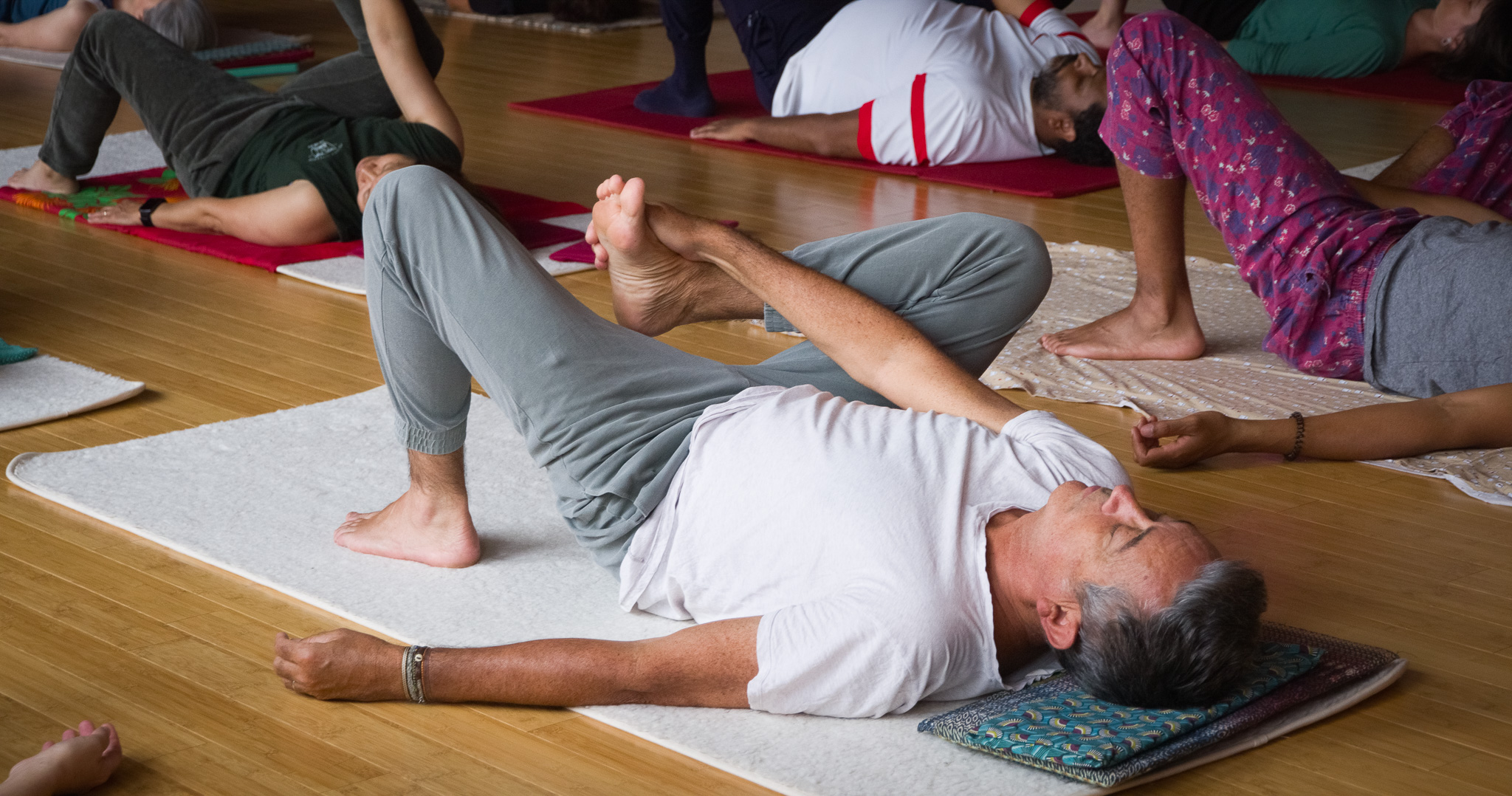
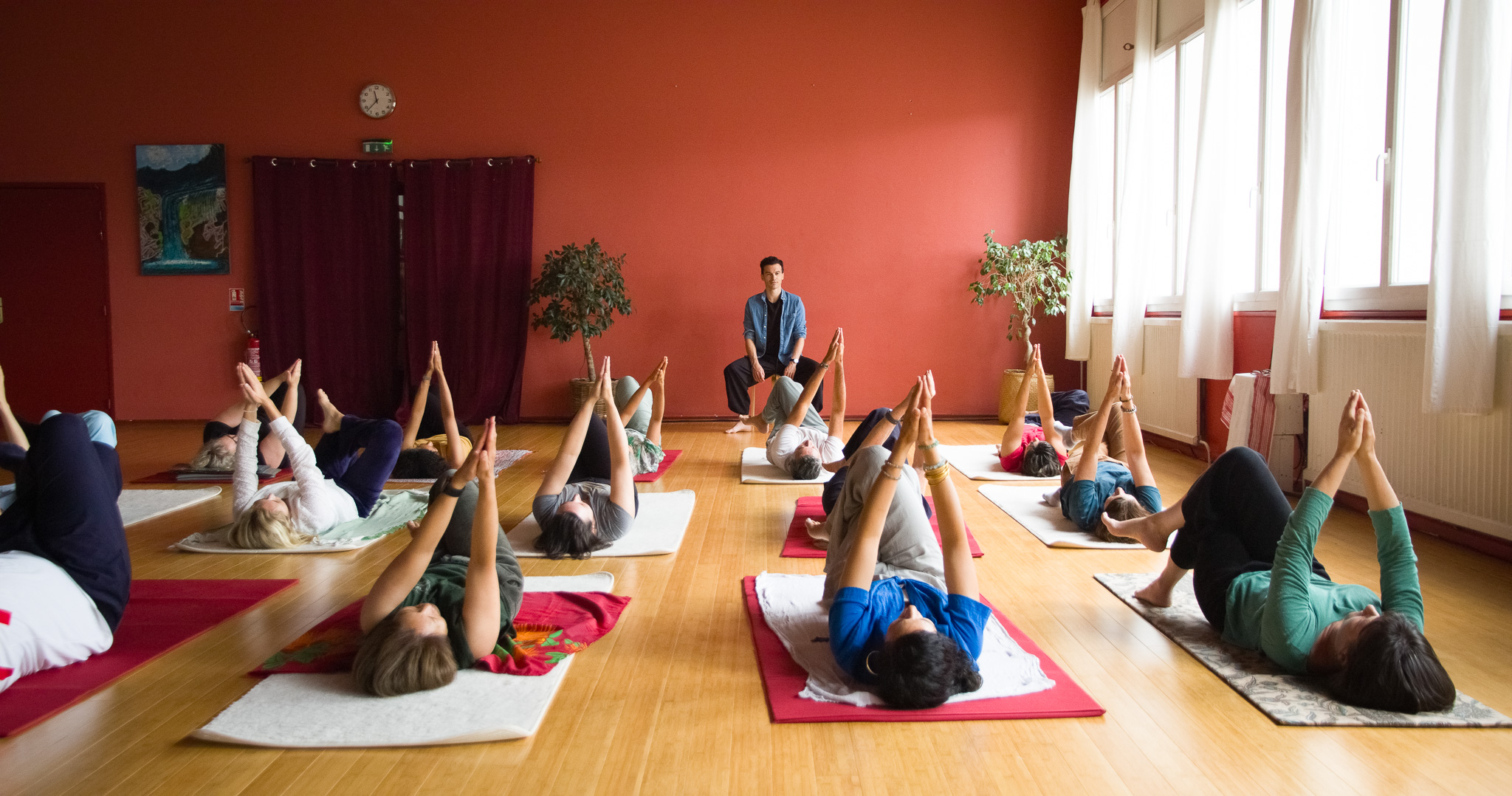
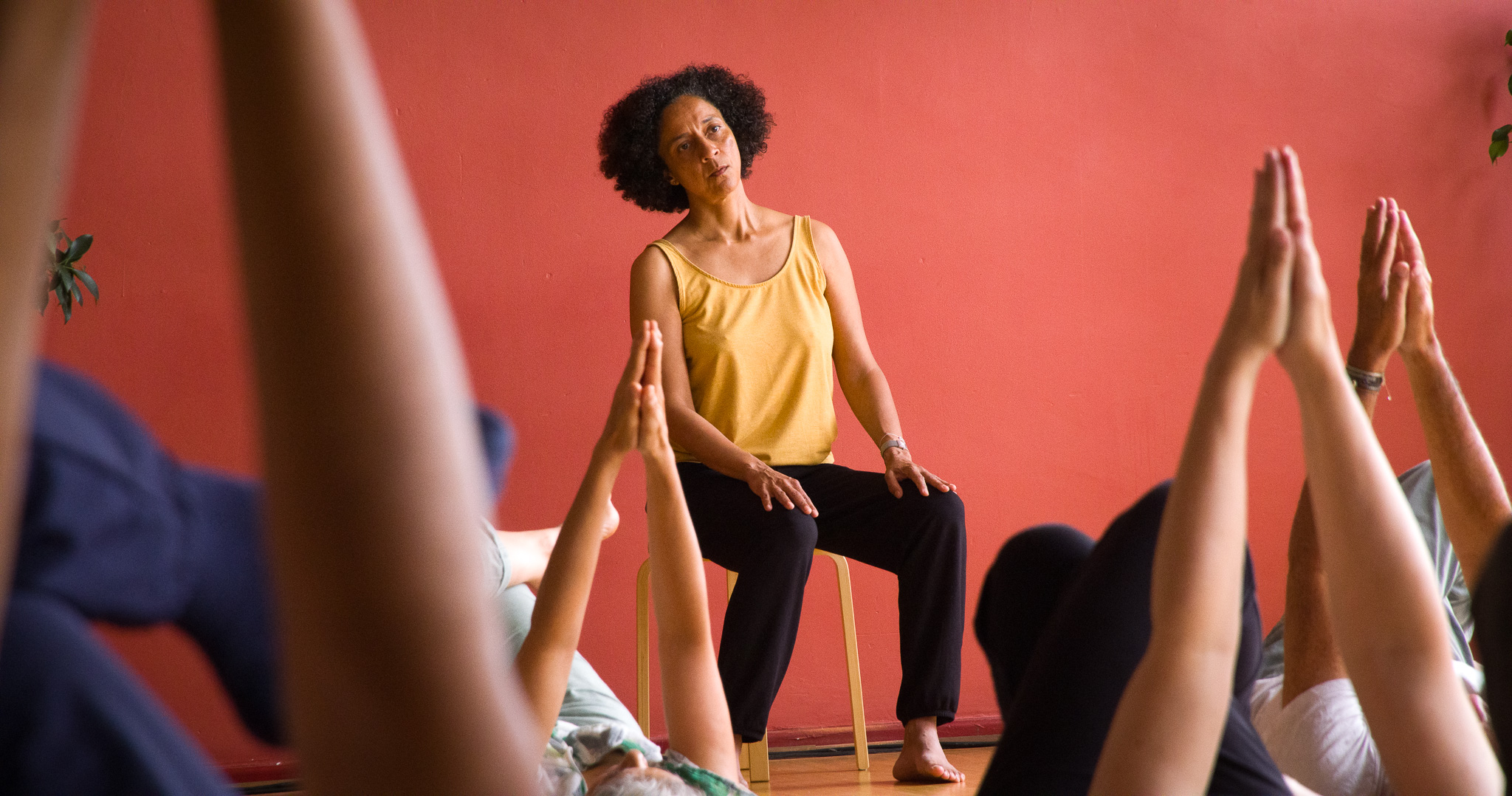
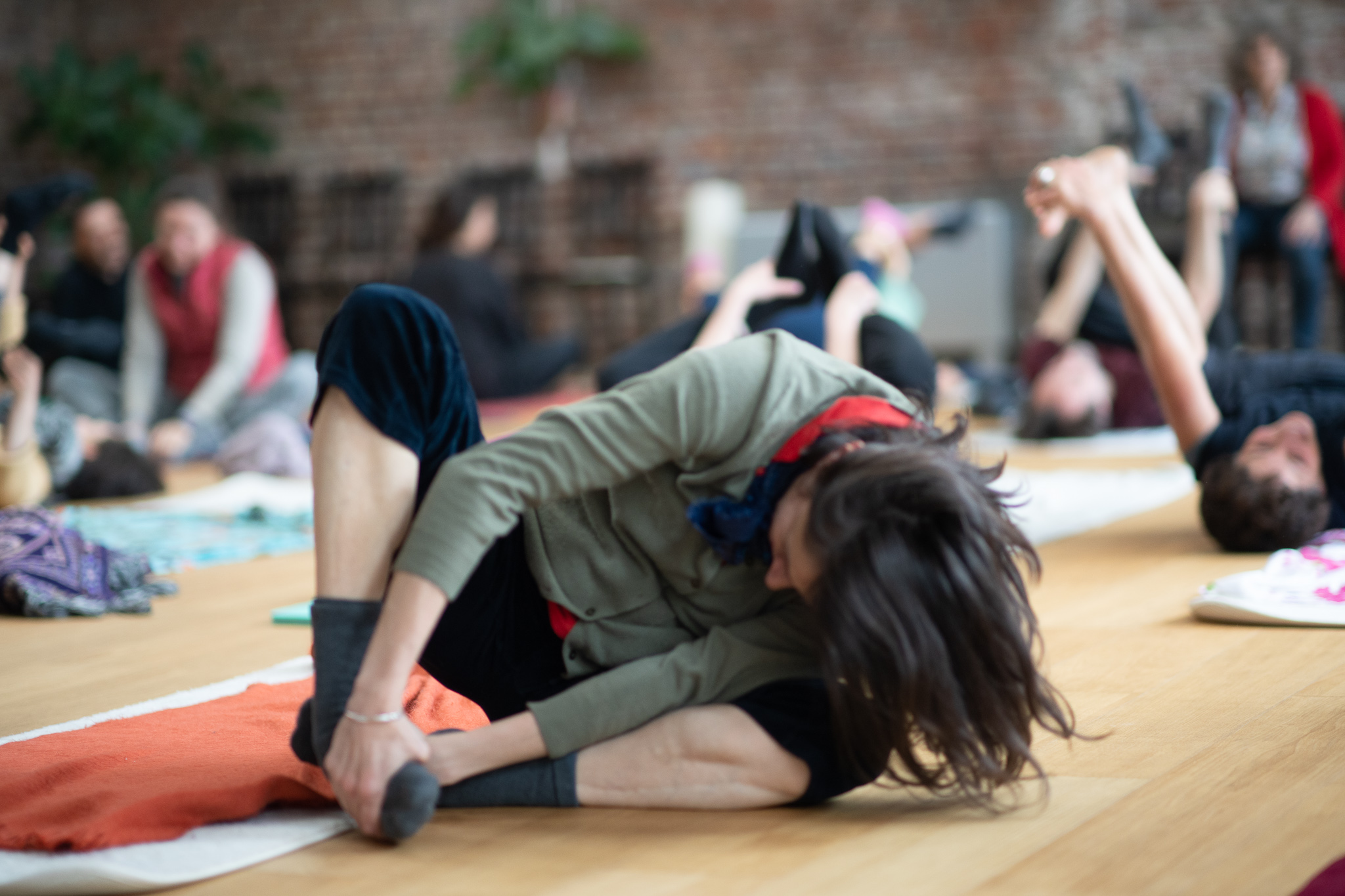
More than a decade ago, Pia Appelquist and Yvo Mentens wanted to create a place where the Feldenkrais Method could be transmitted with rigor, warmth, and freedom. After years of teaching in conservatories, prisons, universities, dojos, and festivals, they founded a somatic training center in Cantal.
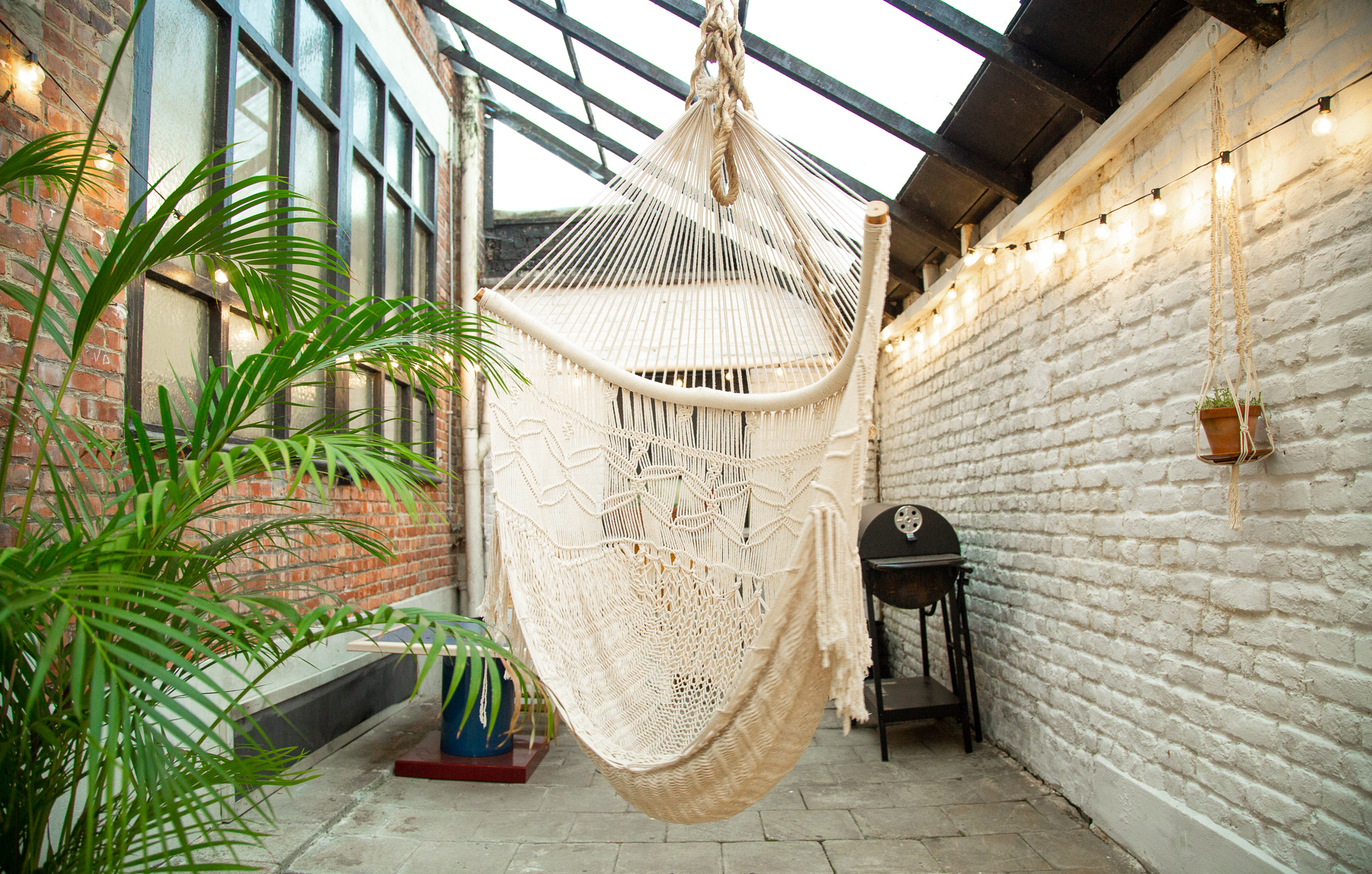
Since then, Feldenkrais Education has grown around three active centers in Cantal, Paris, and Brussels. The institute now connects professional trainings, workshops, digital resources, and an international community of students, practitioners, and trainers.
The project remains simple: protect the depth of the method while making its intelligence easier to understand, practice, and share.

1 / 6
The team
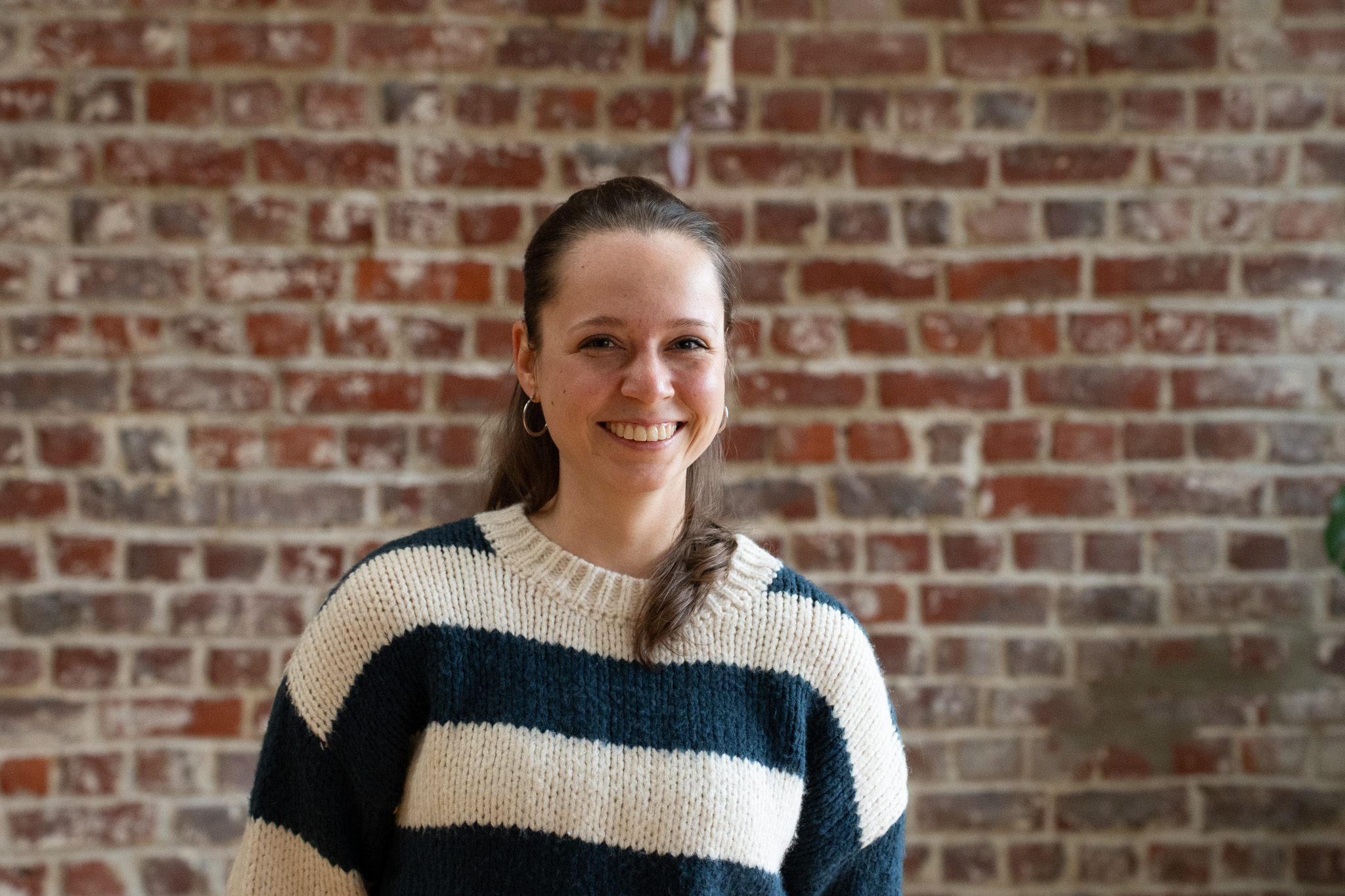
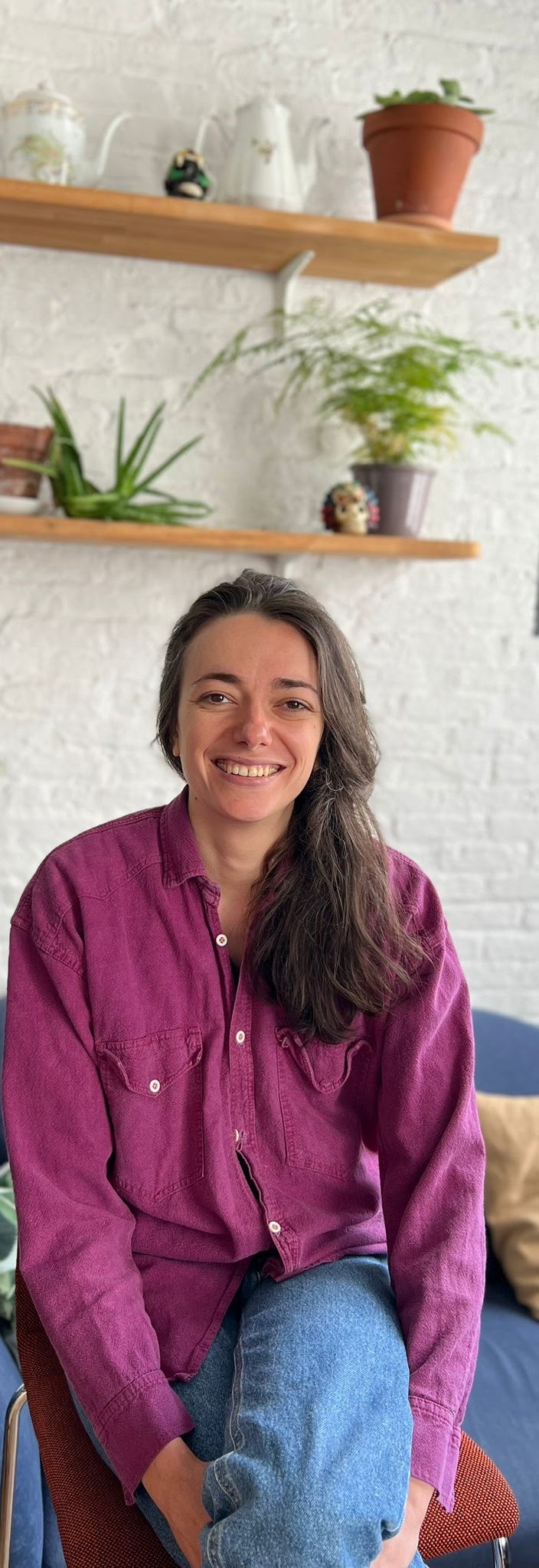
Feldenkrais Education brings together trainers, practitioners, and organizers whose paths cross movement, performance, research, pedagogy, and care. What unites them is the craft of creating conditions where learning becomes precise, alive, and personal.
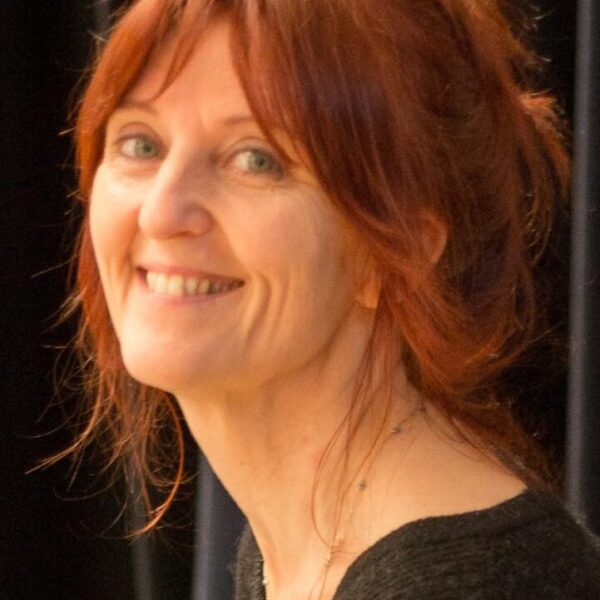
Educational Supervisor
Trained in anthropology and formerly an actress, Pia Appelquist weaves together movement pedagogy, art, and support for varied publics.
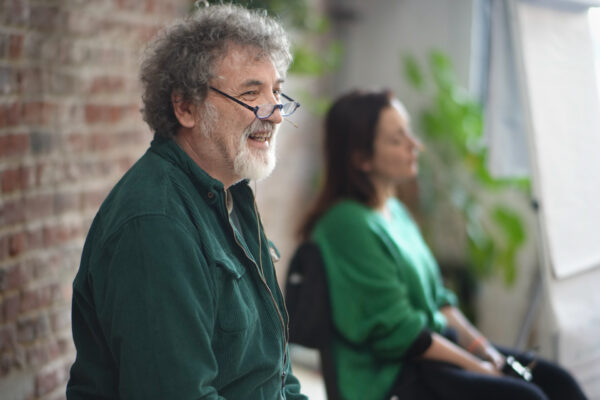
Educational director
Yvo Mentens teaches the Feldenkrais Method in Europe, Asia, and the United States, with a pedagogy known for its creativity and sense of safety.

Co-organiser
Betzabel Falfan brings together Feldenkrais, dance, anthropology, and support for vulnerable publics in a very embodied practice.
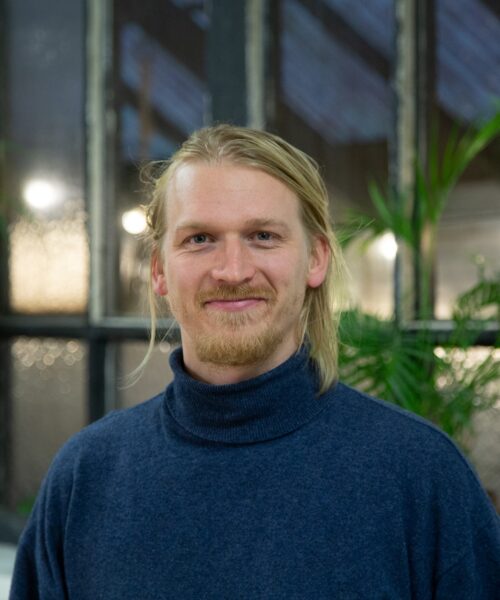
Co-organiser
Co-founder of Forest Lighthouse and Feldenkrais Education, Nikos Appelqvist plays a structuring role in the Cantal and Brussels ecosystems.
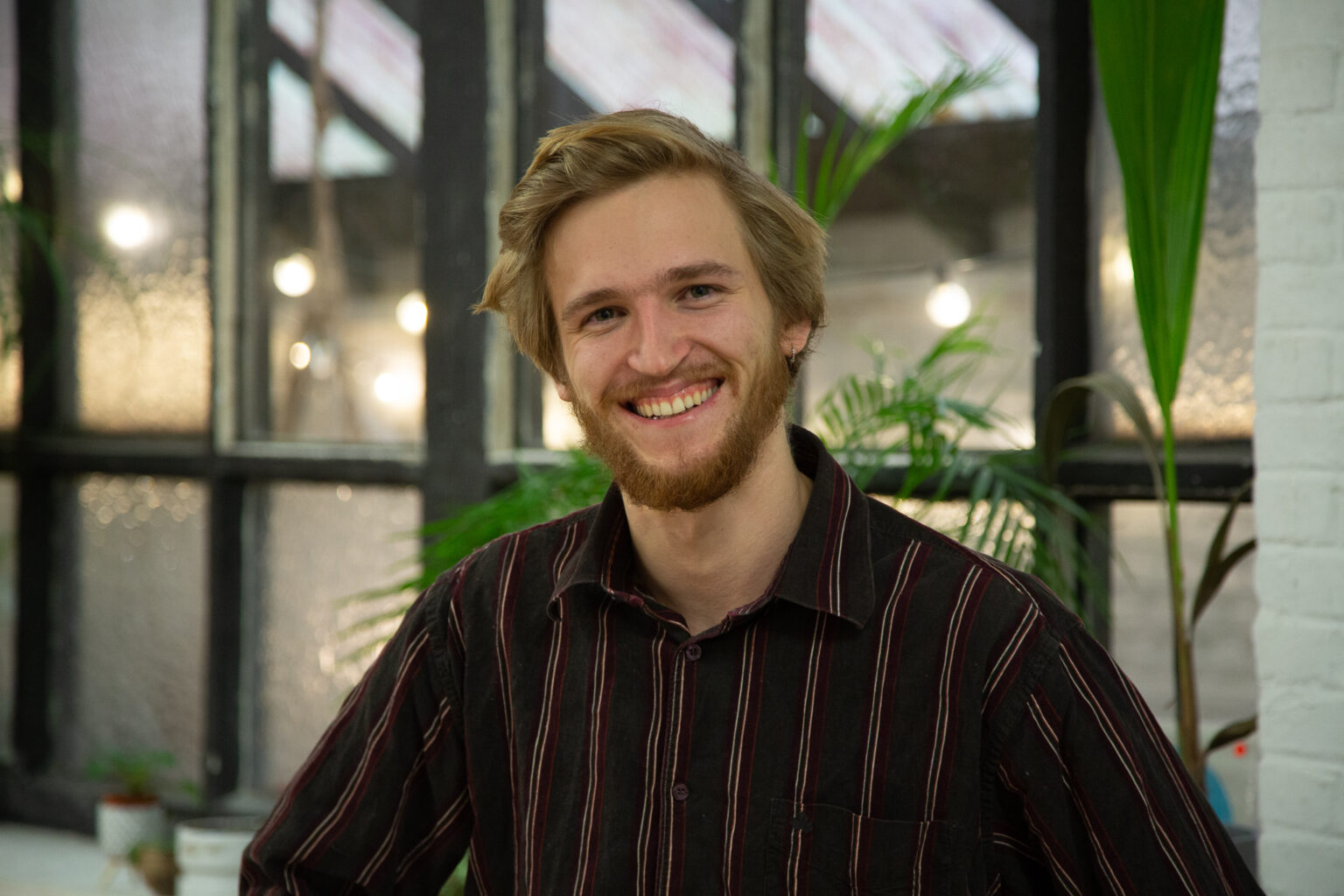
Philosophy and ethics
We do not begin from a model where the body needs to be fixed from the outside. The Feldenkrais Method invites us to create conditions in which a person can sense, compare, adjust, and discover new possibilities.
That changes the relationship between teacher and student. The teacher does not impose an ideal form; they support an inquiry. The student does not simply receive a technique; they develop attention, choice, autonomy, and a more refined way of inhabiting action.
Contemporary framework
Our pedagogical work has identified more than 140 neurosomatic learning strategies and distilled them into twelve essentials.
The framework does not replace the Feldenkrais Method. It helps name what happens in a lesson: movement with attention, slowness, variation, curiosity, constraints, rest, coordination, and autonomy.
It gives us a bridge between the living transmission of the method and a contemporary language for understanding learning.
Continue
Enter a professional training or explore the platform: two different paths into the same learning project.
Creative media
Mattis Appelqvist supports the Cantal and Brussels ecosystem through image, sound, and creative production.